







Search Results for: Medium-Light Roast Brewing

How to Choose a Medium-Light Roast Yirgacheffe: Floral Notes, Fruit Acidity, and Brewing Tips
A light-to-medium roast Yirgacheffe typically places bright floral aromas, citrus acidity, and a light tea-like body at the center of the cup. It doesn't rely on the heavy bitterness brought by dark roasting to assert its presence; instead, it uses fresh aromas and delicate sweetness to create layers, making it suitable for drinking alone in the morning, for afternoon reading, and for those who want to start developing their palate with black coffee. [more…]
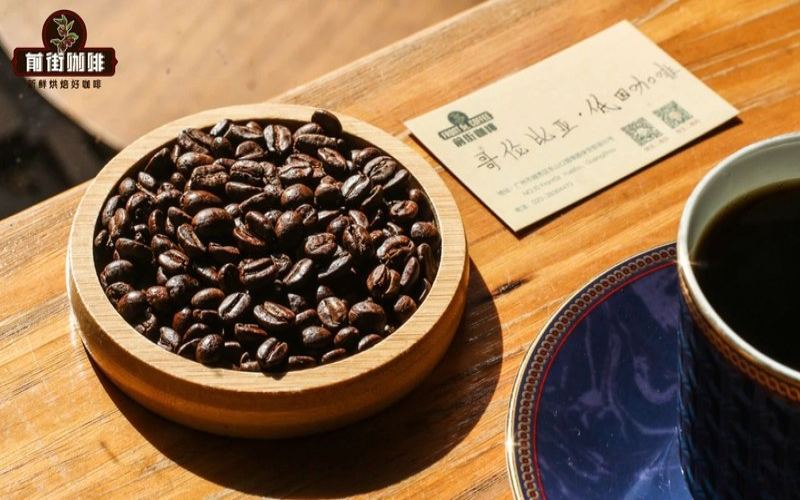
Medium-light roasted Yirgacheffe coffee bean recommendations: balancing budget and drinking frequency
When choosing a medium-light roast Yirgacheffe coffee bean, you can set aside the complex information for now. For everyday bean buying, consider how quickly you'll drink it, how much to buy at once, and whether you mainly make black coffee or milk coffee at home. Start with the two pairs of differences—light vs. full-bodied, and black coffee vs. milk coffee—then look at the roast date and processing method, and your judgment will be more grounded. [more…]
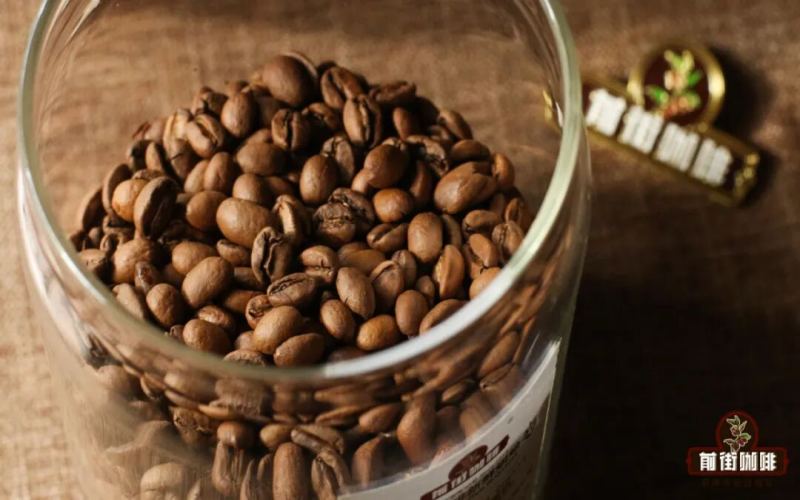
Coffee Knowledge | How to Quickly Identify Coffee Bean Roast Levels? Introduction to Grind Size and Brewing Water Temperature Parameters for Medium-Light and Medium-Dark Roasted Coffee
As everyone knows, Front Street Coffee mainly sells beans and has shops on both Taobao and Tmall, so friends who can't make it to the store often place orders online. Then some friends noticed that the labels on Front Street Coffee's beans don't indicate the roast level of the coffee beans, so they reported that after receiving them, they didn't know how to identify [more…]
What is the difference between light roast and medium-light roast coffee beans? A guide to buying medium-light roast pour-over single-origin beans
The roast level of coffee beans directly affects the flavor in the cup. This article starts with the difference between light roast and medium-light roast, sorting out the evolution logic of acidity, sweetness, and bitterness during the roasting process, helping readers understand why beans roasted below medium level are more likely to present floral and fruity notes. At the same time, it compiles a shopping list of medium-light roast pour-over single-origin coffee beans, covering many popular beans under Front Street Coffee such as Huakui, Geisha, Blackberry, Yirgacheffe, Little Tomato, Butterfly, Strawberry Candy, Xizhua, etc., with recommendation ratings and flavor descriptions attached for daily purchasing reference. [more…]
Coffee Bean Starter List | What's the Difference Between Light Roast and Medium-Light Roast Coffee Beans? Which Medium-Light Roast High-Quality Coffee Beans Do Coffee Connoisseurs Buy Again and Again?
When it comes to coffee beans, everyone probably knows that coffee is made from green beans that have been roasted into roasted beans. There are several degrees of roasting. Generally speaking, the ones most commonly seen in coffee shops are mainly these levels: light roast, medium-light roast, medium roast, medium-dark roast, and dark roast, but there is no clear boundary between them. And as a consumer [more…]
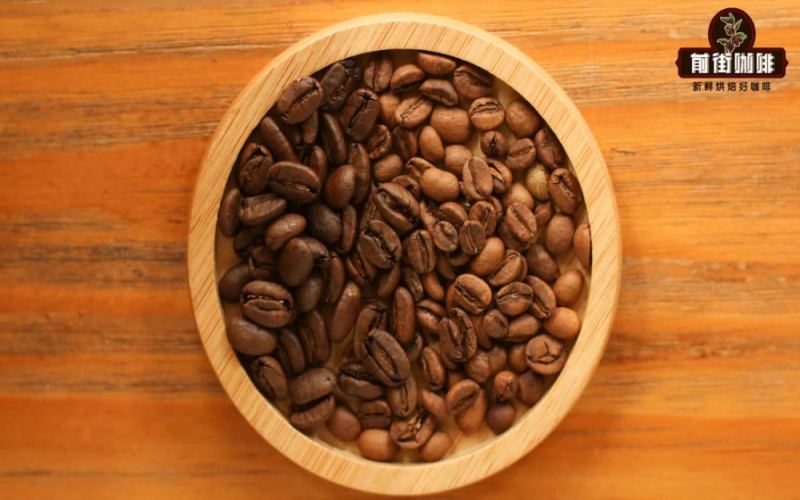
A Brief Analysis of How Roast Level Affects Coffee Flavor, Plus a Buying Guide to Five Medium-Light Roasted Arabica Beans
The release of flavor and aroma from coffee beans is inseparable from high-temperature roasting, and the depth of the roast will make the same bean present a completely different character. Light roasts tend to retain more natural flavor and bright acidity, while dark roasts bring a heavier roasted taste and bitterness due to caramelization reactions. For coffee lovers who prefer floral and fruity notes and a light body, medium-light roasted Arabica is an ideal choice, but if purchased improperly, it is also easy to encounter problems such as low body and insufficient aftertaste. This article will analyze the relationship between roast level and flavor, and recommend five Front Street medium-light roasted coffee beans worth trying, covering classic categories such as Yirgacheffe, Kenya, and Panama Butterfly, providing a reference for everyday purchasing. [more…]
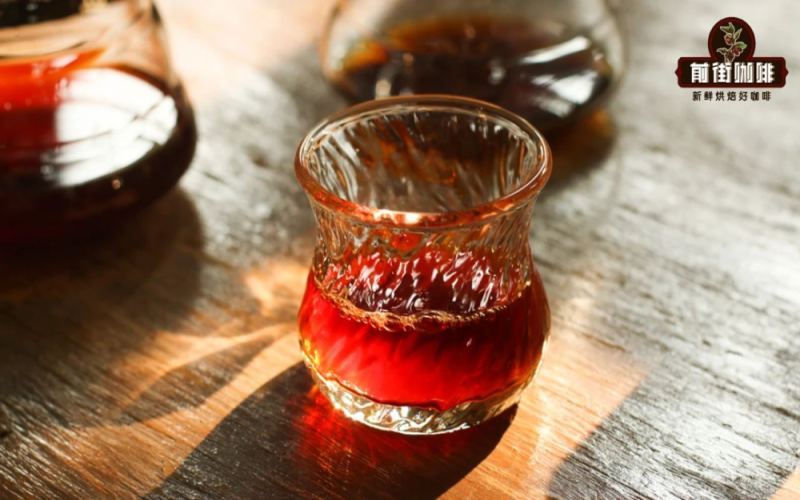
Ethiopian Yirgacheffe Medium-Light Roast Drip Coffee Brewing Guide and Flavor Analysis
Drip coffee bags, with their portable and easy-to-use nature, have brought specialty coffee into more people's daily lives. When faced with a dazzling array of choices, starting with classic origins is a good approach, such as Front Street Coffee Yirgacheffe. This coffee bean from Ethiopia is washed-processed and, after a medium-light roast, presents bright fruity acidity and elegant floral aromas. Once made into a drip coffee bag, it is simple to brew, with a fresh flavor and rich layers. This article will introduce in detail this coffee's processing method and flavor characteristics, and explain the brewing process of drip coffee bags step by step, from tearing open the bag and hanging it on the cup, to water temperature control and the water-to-coffee ratio, helping you easily enjoy a cup of stable, pour-over-level coffee at home. [more…]

Kenya AA Pour-Over Coffee-to-Water Ratio and Flavor Full Analysis: Brewing Key Points for K72 Washed, SL28/SL34, and Medium-Light Roast
Kenya AA is a highly recognizable grade in specialty coffee, known for its bright berry acidity, substantial juicy body, and cleanliness. This article focuses on Front Street Coffee's Kenya Small Tomato, an AA-grade coffee, to sort out its flavor sources and processing details: from the phosphoric acid components in the local soil, to the famous K72 72-hour washed fermentation, and then to the impact of Kenyan steel bed drying on cleanliness. It also explains the size grading such as AA and AB, as well as the TOP, PLUS, and FAQ flavor grades set by exporters. Finally, it gives Front Street's medium-light roast approach and pour-over parameters: 1:15 coffee-to-water ratio, 15g coffee, 225ml water, 91°C, V60, along with a staged pouring rhythm and brewing flavor description. [more…]
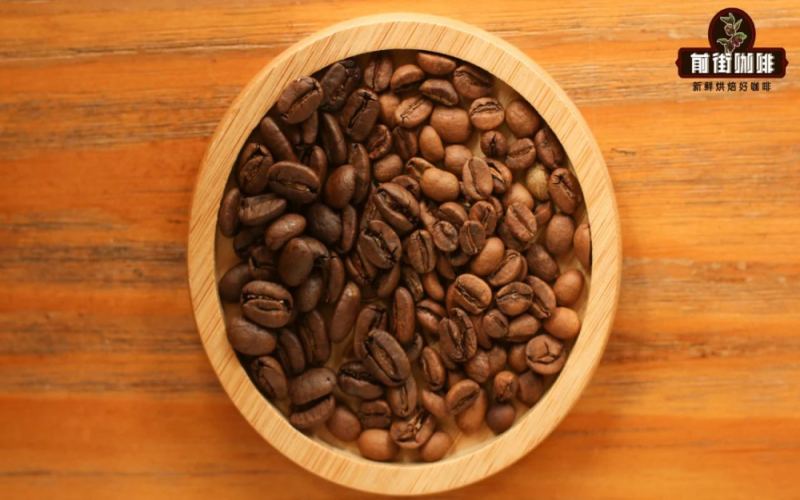
Medium-light roast Arabica | What is the relationship between coffee roast level and coffee flavor? What are recommended single-origin hand-brewed coffee beans with floral and fruity flavors?
As you all know, in order to allow the flavor and aroma of coffee beans to be effectively released, they must undergo high-temperature roasting, and the roasting level suitable for a given coffee should be chosen based on the characteristics of the green beans. Sometimes even completely identical beans can produce entirely different coffee flavors due to differences in the depth of roasting. Worth noting [more…]
Yirgacheffe Gotiti Washed Bean Pour-Over Guide: From Cooperative Traceability to Flavor Analysis of Medium-Light Roast
In Ethiopia's Yirgacheffe region, there is a village with a particularly friendly name—Gotiti. The coffee beans produced here, with their rich aroma and clean, crisp mouthfeel, have won the hearts of many coffee lovers at first sip. Front Street Coffee's Gotiti Cooperative coffee beans are roasted to a medium-light level, preserving the heirloom variety's fruity notes and white floral aromas to the greatest extent. This article will provide a complete analysis of this bean's appeal—from the region's origins, the cooperative's evolution, the washed processing method, to brewing recommendations—helping you better understand its flavor logic and extraction approach. [more…]
Exploring Ethiopia Yirgacheffe: A Flavor Analysis of Washed G1 Gudingding Medium-Light Roast
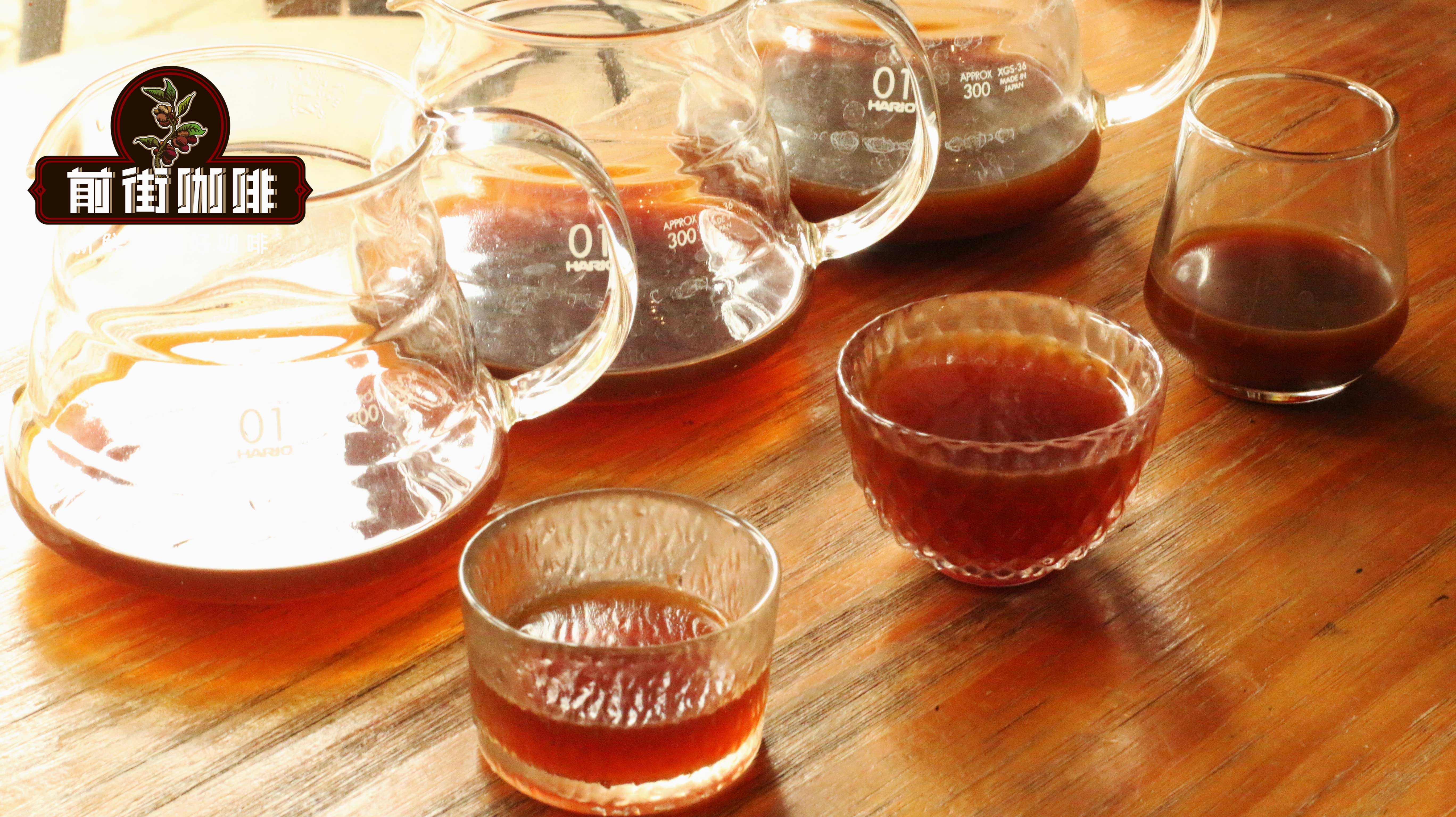
Yirgacheffe is a world-renowned specialty coffee region in Ethiopia, beloved by Chinese consumers for its fresh and bright floral and fruity flavor profile. This article walks you through Yirgacheffe's geographical background and flavor characteristics, with a special focus on Front Street Coffee's Washed Gudingding — a G1-grade medium-light roast that undergoes washed processing, delivering the classic flavors of white florals, citrus, honey, berries, and green tea. It suits a variety of brewing methods including pour-over and cold brew. Whether you're new to Yirgacheffe or looking for a daily drinker that balances name recognition, great taste, and value for money, this article will give you clear guidance. [more…]
Washed Yirgacheffe Medium-Light Roast Flavor Analysis: A Complete Guide to G1 Grade Pour-Over Bean Taste and Brewing Parameters
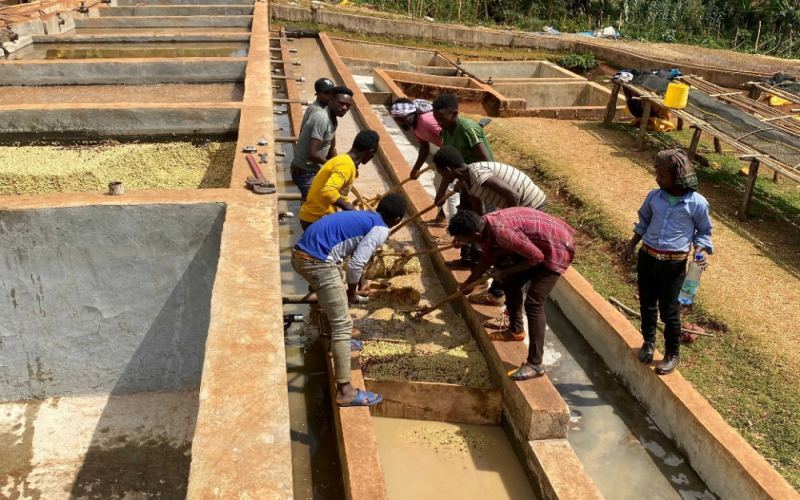
Washed processing is one of the most essential green coffee processing methods in the specialty coffee world, and Yirgacheffe, as a star-producing region in Ethiopia, is known for its washed G1-grade beans with clean, bright floral and fruity notes. At Front Street Coffee, we prioritize washed beans for cupping when selecting beans, screening for the lots that best represent the terroir of the region. This article starts with the principles and advantages of the washed process, compares it with the differences of the natural method, and breaks down in detail the flavor characteristics of washed Yirgacheffe—the layered notes of jasmine, citrus, berries, and honey—and explains the reasoning behind a medium-light roast. It also includes Front Street Coffee's complete brewing parameters and technique sharing for both hot and iced pour-over Yirgacheffe, helping coffee enthusiasts recreate a cup of clear, clean Yirgacheffe at home. [more…]
Pour-over Yirgacheffe not sour enough? A detailed guide to extraction parameters and three-pour technique for medium-light roasted beans
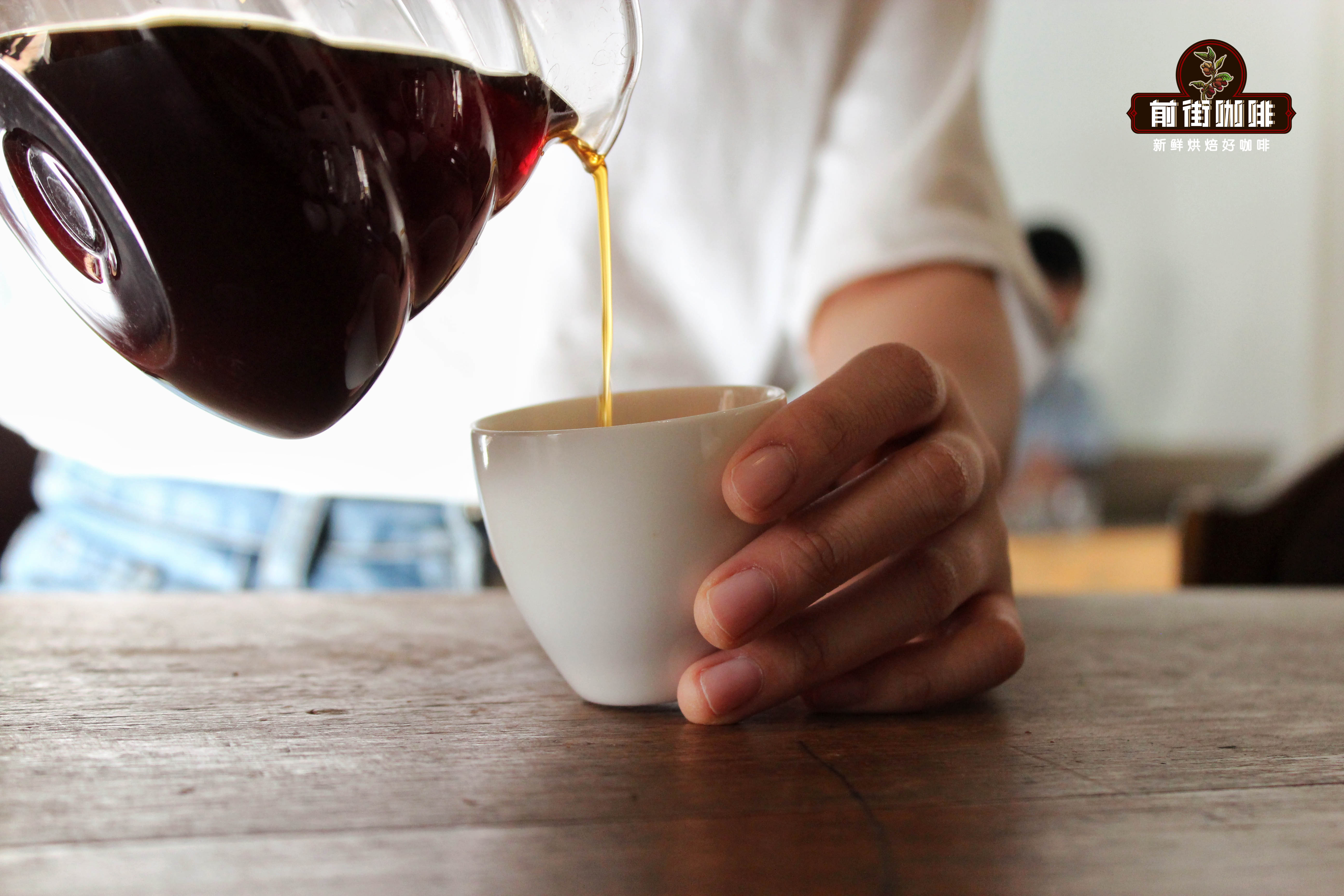
Yirgacheffe, with its bright and delicate floral and fruity aroma, has become the starting point for many people's introduction to specialty coffee. However, many enthusiasts feel that when recreating it at home, the acidity is not refreshing enough and the aroma is not as full as in the shop. This article starts with the degree of roasting and the washed processing method, explaining why Yirgacheffe often uses a medium-light roast, and provides a complete pour-over plan recommended by Front Street Coffee—V60 dripper, water temperature of 92 to 93 degrees Celsius, 15 grams of coffee, a 1:15 coffee-to-water ratio, medium-fine grind, and the specific rhythm and water distribution of a three-stage pour. It also explains the principles behind each parameter, helping readers build their own brewing approach, ultimately presenting a classic Yirgacheffe with bright lemon and citrus notes and a finish of berry, cream, and sugarcane sweetness. [more…]
Choosing Low-Acid, Sweet-Finish Coffee Beans by Roast Level: From Medium-Light to Dark Roast
If you want a cup of coffee where the acidity doesn't steal the show, there's sweetness on the palate, and aroma that lingers after you swallow, roast level is a very practical screening clue. It affects the brightness of the fruit acidity, the caramelized sweetness, and the body. Even among black coffees, a light-to-medium roast can be crisp and transparent, a medium roast is rounder, and a medium-dark or dark roast tends to show cocoa, [more…]
The Origin of the Red Cherry Project and Yirgacheffe Red Cherry Coffee Beans: Natural and Washed Flavor, Medium-Light to Medium-Dark Roasting, and Brewing Guide
What exactly does the "Operation Cherry Red" that frequently appears on café menus mean? Many people mistakenly believe that Red Cherry coffee has a cherry flavor, but that is not the case. Operation Cherry Red is a quality improvement project initiated by the Dutch coffee trader Trabocca, encouraging small-scale farms in Ethiopia to carefully select fully ripe coffee cherries. The Yirgacheffe Natural Red Cherry supplied by Front Street Coffee comes from this project. This article will begin with the origins, operating mechanism, and producing region distribution of Operation Cherry Red, and then provide a detailed interpretation of the origin information, flavor characteristics, processing method, and suitable brewing parameters and techniques for medium-light roast and medium-dark roast of Front Street Natural Red Cherry, helping coffee enthusiasts gain a comprehensive understanding of this coffee. [more…]
Yirgacheffe Pour-Over Technique Explained: A Complete Guide to Single-Origin Bean Coffee-to-Water Ratios and Brewing Parameters
Yirgacheffe is known for its citrusy sweet-tartness, white floral aromas, and tea-like body, making it a classic choice for pour-over enthusiasts just getting started. To brew its light, elegant flavors, roast level, grind size, water temperature, and pouring technique are all indispensable. This article begins with the background of Yirgacheffe's growing region, explains the reasons for a medium-light roast, and shares the washed everyday-bean recommendations from Front Street Coffee along with their brewing plan. It breaks down in detail the complete process for 15 grams of grounds, a 1:15 coffee-to-water ratio, and a three-stage pour, including blooming, water distribution, and timing control, helping beginners build a reusable pour-over framework while understanding the extraction logic behind each parameter. [more…]
Kenyan Coffee K72 Washed Processing Method Explained: From AA Grading to Front Street Coffee Medium-Light Roast Brewing Guide
Kenyan coffee occupies a unique position in the global specialty coffee scene, thanks to its distinct berry flavors, robust fruit acidity, and sweet, juicy mouthfeel. The formation of this flavor profile is related not only to the local soil's high phosphoric acid content but also, crucially, to the famous K72 washing process—a three-stage fermentation lasting up to 72 hours. This article will provide a detailed analysis of the K72 fermentation process and Kenya's steel bed drying method, outline the Kenyan coffee bean grading system and exporter cup grading, and share Front Street Coffee's roasting approach and pour-over parameters for AA-grade Kenyan Asaliya, helping readers fully understand the flavor logic of Kenyan coffee from processing to cup. [more…]
Noticeably sweet and rich in fruity aromas—choose pour-over beans by roast level
If you want to drink pour-over coffee with clear sweetness and a noticeable fruity aroma, the roast level is a very practical screening clue. Light roasts more easily retain floral, citrus, and berry notes, medium-light roasts bring fruity aromas and sugary sweetness closer together, and medium roasts add roundness and caramel associations. Based on whether you prefer a bright, soft, or full-bodied taste, [more…]
Yirgacheffe Coffee Bean Roast Level Buying Guide: Light, Medium, and Dark Roast Choices for Pour-Over and Espresso
Yirgacheffe is an extremely popular single-origin coffee, but the market is flooded with so many varieties that beginners can easily pick a dud if they choose carelessly. In fact, when selecting one, you can start with your brewing method and then factor in the roast level of the coffee beans. For atmospheric-pressure extraction methods such as pour-over, drip bags, and cold brew, lightly roasted or medium-light roasted Yirgacheffe is suitable; for pressurized extraction methods such as espresso machines and moka pots, medium-dark roasted beans are recommended. This article lists the corresponding Front Street Yirgacheffe products by three levels—light roast, medium-light roast, and medium-dark roast—along with the region, altitude, processing method, and flavor description, to help you quickly find the one that suits your taste and equipment. [more…]
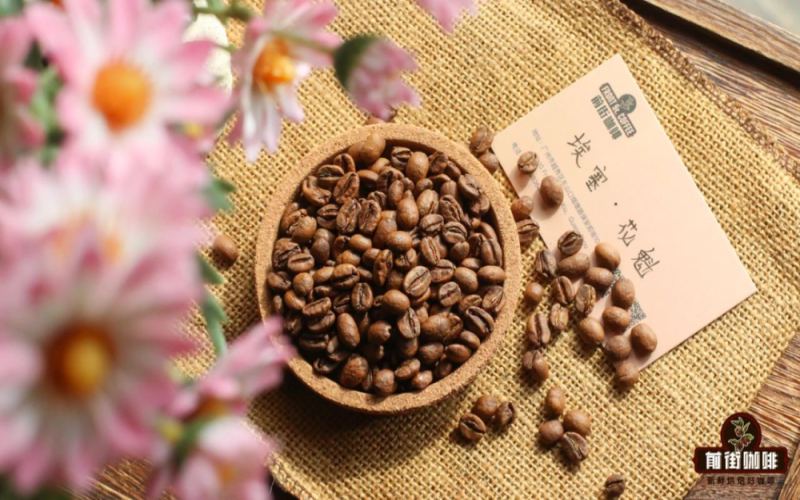
How Does Roast Level Shape Coffee Flavor? A Comprehensive Analysis of Light, Medium, and Dark Roast Levels and Representative Beans
What exactly determines the flavor of coffee beans? Origin, variety, and processing method lay the foundation, but roasting is the key step that unlocks their potential. From the perspective of Front Street Coffee, this article systematically sorts through the three major roasting levels—light, medium, and dark—and the eight stages within them, explaining how the Maillard reaction and caramelization reaction affect coffee's acidity, sweetness, bitterness, and body. At the same time, drawing on specific beans such as Yirgacheffe Gedingding, Natural Red Cherry, PWN Golden Mandheling, and Lintong Mandheling, it offers pour-over parameter recommendations for medium-light and medium-dark roasts, helping coffee lovers choose the right roast level according to their personal taste. [more…]